
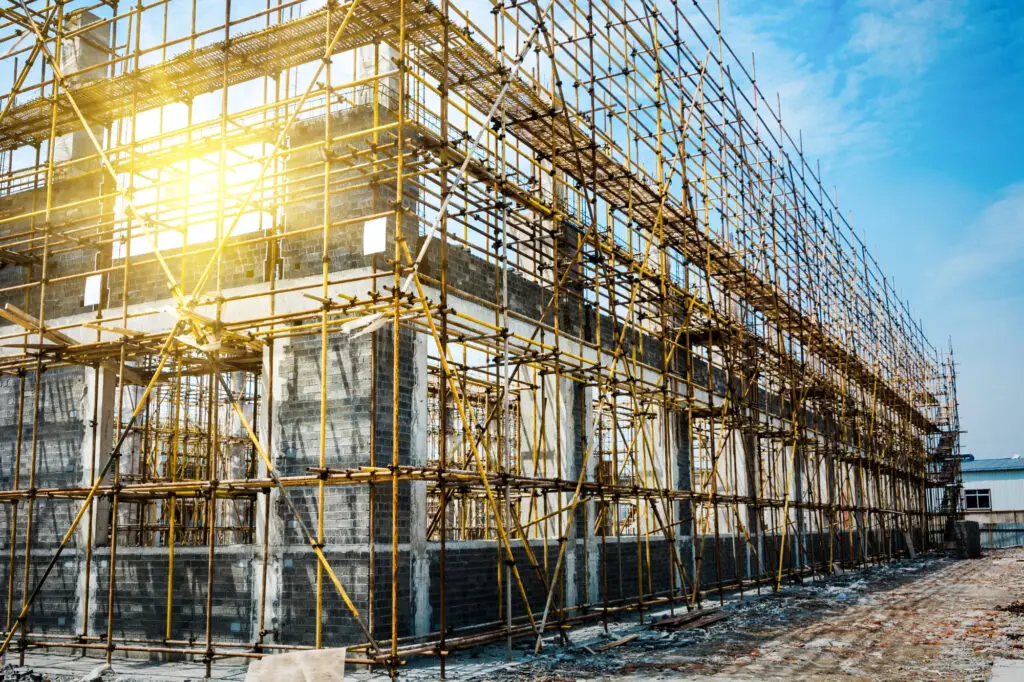
Before any successful construction project begins, one critical step must never be overlooked—site inspection. Whether you’re planning a residential home, commercial complex, or industrial facility, a proper site inspection lays the foundation for a safe, cost-effective, and efficient building process.
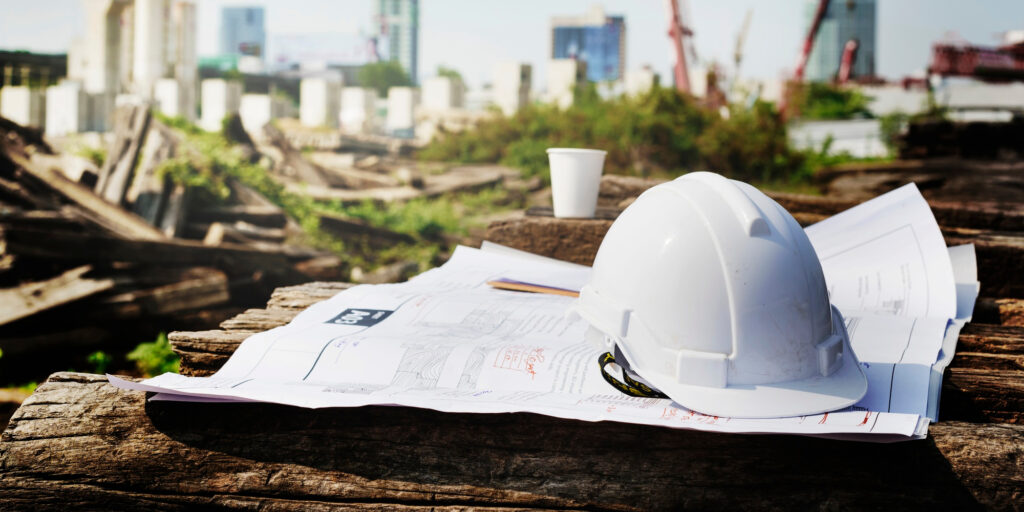
What Is Site Inspection?
Site inspection is the process of evaluating the physical condition and characteristics of a land before construction begins. It involves analyzing factors such as soil condition, topography, drainage, accessibility, and surrounding environment.
Why Site Inspection Is Important
1. Ensures Structural Safety
A thorough inspection helps identify potential risks like weak soil, flooding zones, or unstable ground. This ensures that the building foundation is designed to withstand environmental conditions and prevent future structural failures.
2. Saves Cost and Prevents Unexpected Expenses
Skipping site inspection can lead to costly surprises during construction. Issues like poor soil quality or hidden drainage problems may require expensive corrections later.
3. Helps in Proper Planning and Design
Site inspection provides essential data that architects and engineers use to:
- Design the right foundation
- Plan building orientation
- Optimize space usage
4. Identifies Legal and Environmental Constraints
Before building, it’s important to check:
- Land ownership and boundaries
- Zoning regulations
- Environmental restrictions
This helps avoid legal disputes and project delays.
5. Improves Drainage and Flood Control
Especially in areas with heavy rainfall, proper inspection ensures:
- Effective water flow
- Flood prevention measures
- Long-term durability of the structure
6. Enhances Accessibility and Logistics
A site inspection evaluates how easy it is to:
- Transport materials
- Move construction equipment
- Access the site for future occupants
Key Factors Checked During Site Inspection
- Soil type and bearing capacity
- Land topography (slope and elevation)
- Drainage system
- Road access
- Availability of utilities (water, electricity)
- Environmental impact
The Risk of Skipping Site Inspection
Ignoring site inspection can lead to:
- Structural cracks and failures
- Flooding issues
- Increased construction costs
- Legal complications
- Project delays
Final Thoughts
Site inspection is not just a routine step—it is a critical investment in the success of your building project. It ensures safety, reduces risks, and helps you make informed decisions before construction begins.
No matter the size of your project, always prioritize a professional site inspection to guarantee long-term durability and peace of mind.