
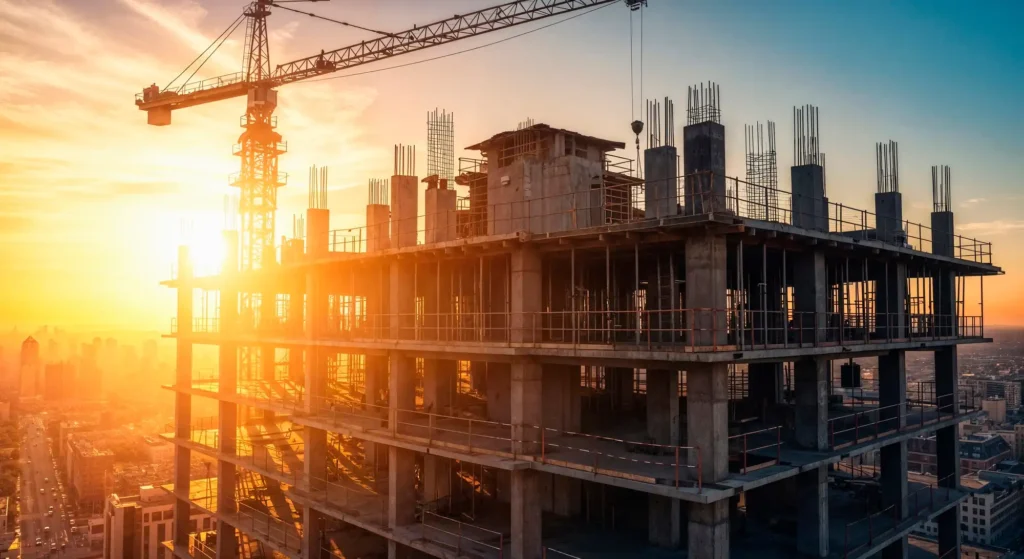
Construction projects require careful planning, skilled execution, and quality materials. Unfortunately, many building problems arise from avoidable mistakes that lead to delays, extra costs, and structural issues. Understanding these common construction mistakes—and how to prevent them—can save time, money, and stress.
1. Poor Planning and Design
Starting construction without a clear plan often leads to changes, delays, and budget overruns.
How to avoid it:
Work with qualified architects and engineers to create detailed drawings, timelines, and budgets before construction begins.
2. Using Low-Quality Materials
Choosing cheap or substandard materials can weaken the structure and increase maintenance costs.
How to avoid it:
Invest in certified, high-quality materials sourced from trusted suppliers.
3. Weak Foundation Work
A poorly constructed foundation can cause cracks, uneven floors, and structural failure.
How to avoid it:
Conduct proper soil testing and use the correct foundation type with professional supervision.
4. Poor Workmanship
Unskilled labor often results in poor finishing, misalignment, and long-term defects.
How to avoid it:
Hire experienced contractors and ensure proper supervision at every construction stage.
5. Ignoring Building Codes and Approvals
Skipping permits or ignoring regulations can lead to legal issues and unsafe buildings.
How to avoid it:
Follow local building codes and obtain all required approvals before and during construction.
6. Inadequate Waterproofing
Poor waterproofing causes leaks, mold, and structural damage over time.
How to avoid it:
Use proper waterproofing systems for roofs, foundations, bathrooms, and balconies.
7. Poor Project Management
Lack of coordination leads to delays, wasted materials, and cost overruns.
How to avoid it:
Assign a project manager to monitor progress, schedules, and quality control.
Conclusion
Most construction problems are preventable with proper planning, quality materials, skilled professionals, and strict supervision. Avoiding these common construction mistakes ensures a safer, stronger, and more durable building that stands the test of time.
Helpful